
the visionary
As a Public Health Practitioner, Community Leader, and Educator, I’ve sat at too many tables where oppression was being served. Organizations touted “doing the work” while consistently producing inequity and harm. I created ReconstructionInstitute to help people understand:
The System is Rigged
We All Play a Role
Creating a Just and Humane World is Our Collective Responsibility
My work sits at the intersection of public health, policy, systems analysis, and power. I focus on helping individuals, institutions, and communities understand how inequity is produced—not by accident, but by design—and how those systems can be transformed to serve the collective good.
I developed the Reconstruction Framework to move people beyond surface-level reform toward structural change.
This framework is the foundation of ReconstructionInstitute’s flagship course, Reconstruction: Power, Equity, and the Future of American Systems, as well as our work with municipalities, organizations, faith institutions, start-ups, and community groups.
I use the reconstruction framework to create programs and policies designed to produce equitable outcomes.
My career spans the public, nonprofit, and government sectors— supporting regulatory oversight and policy initiatives that ensure equitable healthcare access and affordability. My prior roles include leadership in HIV/STI prevention, elder care and memory support, and community-based health navigation across the Boston area. I integrate evidence-based Public Health models with justice-centered leadership and invite institutions and individuals to recognize the sacredness of all human beings— and to reconstruct systems to honor them.
I bring clarity to complex systems and help audiences connect history, policy, and institutional design to present-day outcomes.
the vision
ReconstructionInstitute envisions a future in which institutions are designed to serve the collective good rather than concentrate power, and where systemic oppression is actively dismantled through accountable governance, equitable policy, and public participation.
We envision a national registry of organizations and institutions that have undergone structural reconstruction—entities that have examined how power operates within their systems, rebuilt governance and decision-making structures, and aligned their policies and practices with equity, transparency, and public accountability. This registry serves both as a standard of integrity and as a public resource, demonstrating what institutional transformation can look like in practice.
ReconstructionInstitute also envisions a policy landscape shaped by legislation that addresses the structural roots of inequity. We work to support, develop, and advance laws that dismantle systemic oppression and strengthen systems that promote health, dignity, and shared prosperity. In doing so, we partner with and support policymakers who are aligned with our mission and committed to transformative, justice-centered governance.
the approach
Much of my work challenges the assumption that inequity can be solved through incremental reform alone.
I emphasize:
Structural and historical analysis
Power, governance, and decision-making systems
Public health as a lens for understanding population-level harm
Accountability, repair, and redistribution
Speaking, Panels & Public Engagements
I am available for panels, keynote talks, lectures, and facilitated discussions with institutions, conferences, faith communities, universities, municipalities, and community organizations.
My speaking style is grounded, direct, and systems-focused, with an emphasis on translating complex ideas into actionable insight.
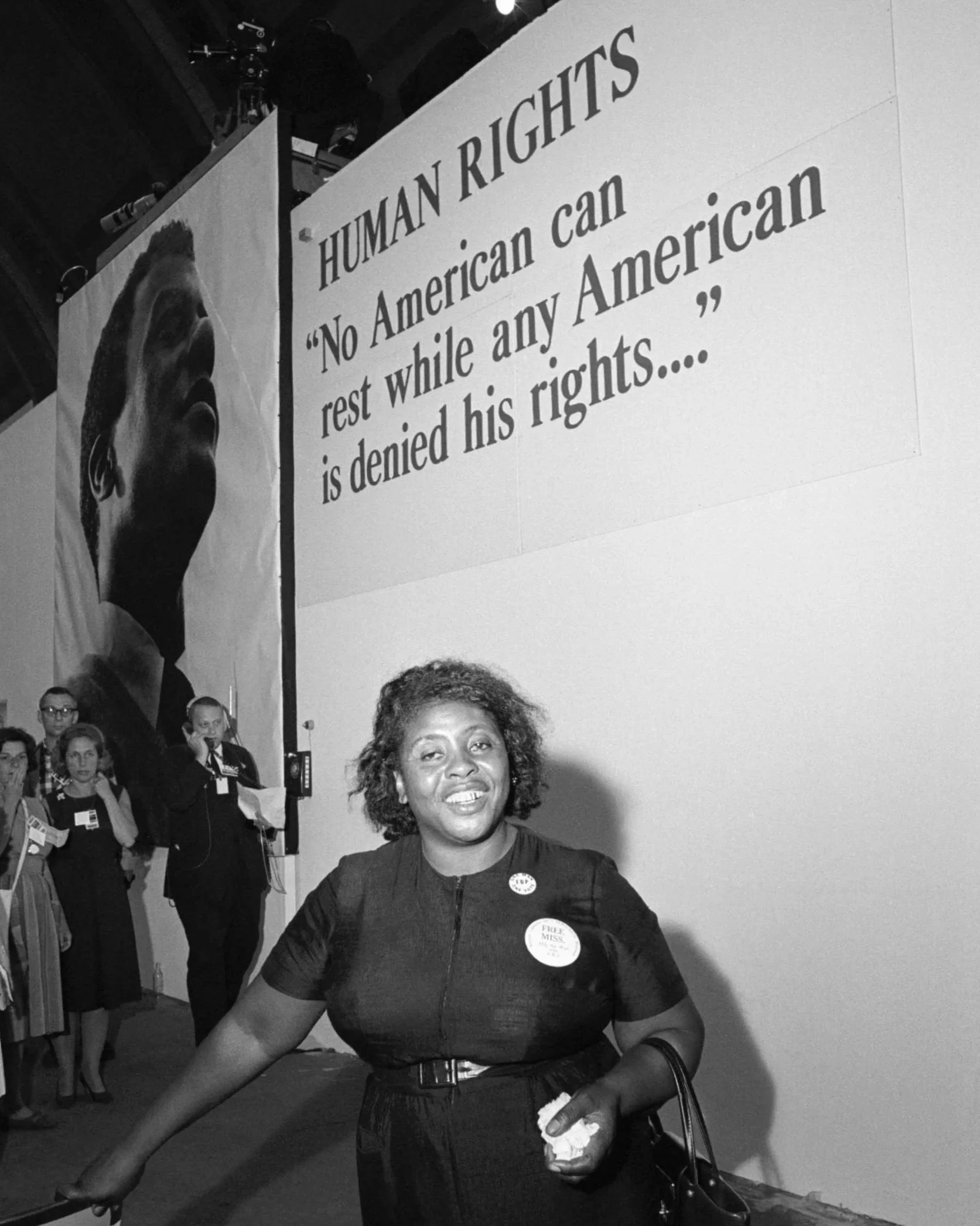
I stand on the shoulders of black women leaders who came before ME, AND use their passion for justice and civil rights as fuel to tell the truth.
topics i cover
Power & Systems
How power operates within American systems
Why inequity is structural, not accidental
Moving from reform to reconstruction
Institutional design and decision-making
Public Health & Policy
Structural determinants of health
Public health as a tool for systems change
Policy design and population-level outcomes
Health equity beyond individual behavior
Systemic Oppression
Structural racism and systemic oppression
Historical roots of modern inequities
How systems are designed to exclude, exploit, and protect power
Accountability versus performative equity
Governance & Institutions
Governance, boards, and institutional accountability
Municipal systems and local government equity
Faith institutions and moral responsibility in systems change
Building institutions aligned with justice
Civic Engagement & Movement Building
Civic engagement beyond participation
Coalition building and collective power
Community accountability and co-ownership
The limits of charity and the necessity of justice
Reparative & Redistributive Frameworks
Reparations and reparative policy
Wealth, extraction, and economic systems
Redistribution as a public health intervention
audiences & settings

Conferences and convenings
Towns, cities, and municipal governments
Faith-based and interfaith organizations
Universities and academic programs
Nonprofits, foundations, and coalitions
Start-ups and emerging institutions
education
Tufts University School of Medicine
Master of Public Health: Health Services Management and Policy
Depauw university
Bachelor of arts: Global Health, French and francophone studies
let’s create space for truth and change